Feral Cat Resources
Stray, Feral, and Community Cats
Pasado’s Safe Haven is committed to supporting the health and well-being of feral and community cats—those who live outdoors and are not socialized to humans. Through our spay/neuter clinics, we provide free spay/neuter surgeries to help reduce overpopulation and improve the lives of these often-overlooked animals.
SPAYING, NEUTERING, AND VACCINATING WITH PASADO'S
Our experienced team specializes in high-quality, high-volume spay/neuter procedures, and we treat every cat with the same compassion and care we give to beloved family pets.
Feral Cat Package
All feral and community cats brought to our clinics will receive:
- Spay/neuter surgery
- 24 hour pain injection
- Rabies vaccination
- FVRCP vaccination (protects against common feline viruses)
- Flea treatment
- Ear-tip
Optional Services
Additional services such as extra vaccinations or microchipping are available at-cost and are the responsibility of the client. These can be requested during intake and will be discussed prior to the procedure.
Consent & Recovery
All clients must complete a Consent Form authorizing the procedures and acknowledging our post-operative care guidelines, which include:
- Monitoring the cat during recovery
- Providing a safe, warm space for at least 24 hours after surgery
- Understanding the risks and responsibilities of caring for feral and community cats
Our team will provide clear instructions to ensure a smooth recovery and safe return to their environment.
Scheduling with Pasado's
If you want to guarantee an appointment: Please complete our form to be added to our waitlist and a scheduler will reach out to you as appointments become available. Do not trap the cat before you have secured an appointment. Wait time could be up to 6-8 weeks, especially for larger colonies and is dependent on clinic location.
Feral/Community Cat Waitlist
Frequently Asked Questions about Ferals
What is a feral cat?
A feral cat is a domestic cat that has not been socialized to humans. Unlike a stray cat who may once have lived with people, feral cats are typically born and raised outdoors and are fearful of human contact. They live in groups, called colonies, and depend on each other for survival.
Why do feral cats need our help?
Although they’re independent, feral cats face many challenges living outdoors — including disease, injury, harsh weather, and food scarcity. Left unaltered, feral cat populations grow quickly, leading to more suffering for cats and homeless kittens. We can reduce these hardships and create safer, healthier communities for both cats and people, while also reducing the number of cats taken to shelters and euthanized.
What is ear tipping?
Ear-tipping is a universal sign that a community cat has been spayed or neutered. During surgery, a small portion of one ear is painlessly removed while the cat is under anesthesia. This visible mark helps caregivers and animal control officers quickly identify cats who have already been altered and vaccinated, preventing unnecessary trapping or surgery.
Where do community cats come from?
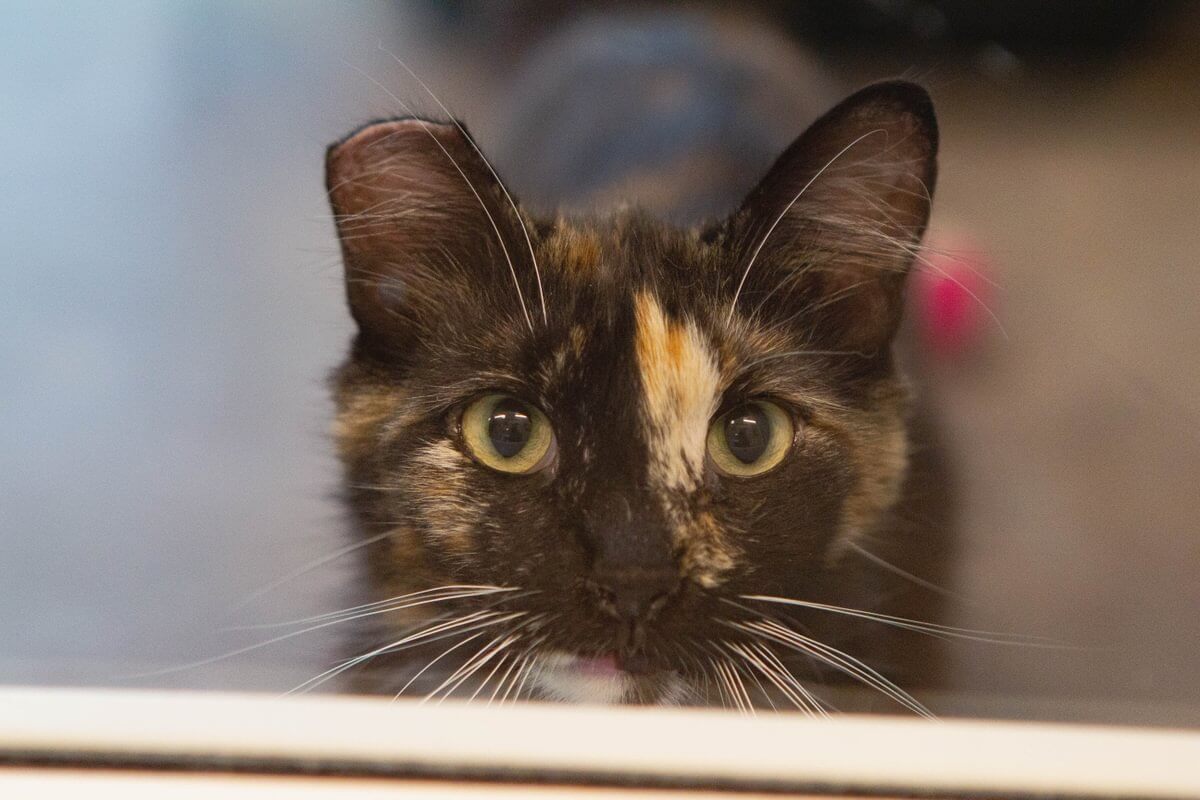
Community cats typically come from being lost, abandoned, or allowed to roam freely outdoors. Without intervention, they reproduce, and their kittens grow up unsocialized to people — becoming feral. Over time, colonies form in areas where food and shelter are available, such as neighborhoods, parks, or industrial sites.
What is TNR (Trap-Neuter-Return)?
Trap-Neuter-Return is the most effective and humane approach to managing feral and community cat populations. Cats are humanely trapped, spayed or neutered, vaccinated, ear-tipped, and then returned to their outdoor home. Over time, the colony size stabilizes and gradually declines. The best thing you can do for community cats is to support or get involved in TNR. You can find a list of trap rentals here.
What should I do if I have kittens from a feral mom that I would like to rehome?
We recommending spaying/neutering all kittens before adoption to give them a better chance of finding a home and prevent further unwanted litters. Spaying the mom is also important as it will prevent future pregnancies. You can find a list of organizations to reach out to about surrendering cats here: Shelter Resource List. Please note that shelters have difference criteria and processes, and we recommend contacting them ahead of time.