Spring and Summer Tips for your Animals


- Beat the Heat: Dogs can overheat quickly, especially breeds with thick coats or short snouts. Avoid walks during peak heat (usually between 11am–4pm) and opt for early mornings or evenings. Always provide access to fresh water and shade when outside.
- Paws on Pavement: Asphalt and sidewalks can get dangerously hot in the sun. A good rule of thumb: if it’s too hot for your hand, it’s too hot for their paws. Stick to grassy areas when possible or try protective booties for added comfort!
- Fleas, Ticks & Heartworm Prevention: Spring and summer are peak seasons for pests. Make sure your dog is up-to-date on flea, tick, and heartworm prevention. A quick monthly treatment can prevent bigger issues down the line.
- Seasonal Allergies: Just like people, dogs can suffer from seasonal allergies. Watch for itching, licking, or watery eyes. Talk to your vet if you notice any symptoms—they may recommend medication or a change in routine.
- Adventure Safety: Whether you’re hiking, camping, or hitting the beach, make sure your dog is safely secured and wearing a collar with ID. A microchip check/update is also a good idea as you head into travel season.
- Hydration & Cooling: Consider a portable water bottle for walks and cooling mats or vests for long outdoor outings. Never leave your dog in a parked car—even a few minutes can be dangerous.


- Tick & Flea Prevention: With warmer weather comes an increase in ticks and fleas. If your cat spends time outdoors, be sure they’re on a regular flea and tick treatment program. Check with your vet for the best options for your cat to keep them safe and comfortable.
- Keep Outdoor Time Safe: If your cat enjoys outdoor adventures, ensure they don’t have access to toxic plants. Common springtime plants like lilies, azaleas, and tulips can be harmful to cats. Take a walk around your garden to remove any potentially dangerous plants. Additionally, monitor your cat’s time in the sun. Cats with lighter-colored fur or thinner coats are especially susceptible to sunburn, so consider using pet-safe sunscreen on their ears or keeping them in the shade when outside.
- Spring Cleaning for Your Cat’s Supplies: Spring cleaning isn’t just for your home—your cat’s supplies need some attention too! Take the time to wash their bedding, clean their toys, and refresh their litter box. This helps create a cleaner, more comfortable environment for your furry friend.
- Watch for Seasonal Allergies: Just like us, cats can suffer from seasonal allergies. If you notice your cat sneezing, scratching more than usual, or having watery eyes, these could be signs of allergies. A visit to the vet can help you manage any allergy-related issues.
- Stay Hydrated: As the temperatures rise, make sure your cat always has access to fresh, clean water. Dehydration can become a concern during warmer months, so keep their water bowl topped off. If your cat is picky about drinking, a cat water fountain may encourage them to stay hydrated.
- Vet Checkups and Preventative Care: Spring is a great time to schedule a wellness check-up for your cat. Make sure they’re up to date on vaccinations and preventative treatments for fleas, ticks, and worms. A visit to the vet now can help ensure a healthy season ahead.
- Enrich Their Environment: Spring is the perfect time to add some excitement to your cat’s routine. Consider new interactive toys, puzzle feeders, or even a fresh scratching post. Keeping your cat mentally and physically engaged helps them stay active and entertained during the warmer months.


- Staying Cool: It’s very important that pigs have ways to cool down from the sun and warmer temperatures. Pigs do not sweat like humans do to regulate their body temperature, so having access to shade and water (whether that’s via a nice, muddy wallow, or a kiddie pool that a pig can safely get in and out of) are both crucial. Pigs do “sweat” however on their snout, so if you see a runny nose, it may be an indication your pig needs some help cooling down. Overheating puts pigs at risk for heat stroke.
- Sunblock: All pigs are at risk of sunburn; however pink colored pigs are most at risk for burns and melanoma. You can use a gentle sunscreen lotion or spray to help protect your pig from burns on those sunny days. If they have a muddy area they can wallow in, they will also use the mud as a natural sunblock, insect repellent, and way to cool down.
- Blowing Coats: For many pigs, warm weather can mean the start of blowing their coats. Some pigs will lose their entire coat over the course of weeks to months, and some pigs will just have a thinning of their hair. This process can often be itchy, so help your pig friends out by offering lots of brushing and grooming time. However, if your pig only has hair loss around the eyes or in small patches, this could be indicative of nutrient deficiencies or other conditions.
- Toxic Weeds: There are several common springtime weeds that can be toxic to pigs, like bracken fern, Jimsonweed, Cocklebur, many nightshade family plants, foxglove, hemlock, and the nectar of certain rhododendron species. If you see any of these, be sure to pull them from your pig’s grazing area! Some plants are also known to cause photosensitivity in pigs (aka increase your pig’s chances of burning) so be sure to be cautious or remove these from your pig’s diet during the summer months: parsnip tops, parsley, celery tops, buckwheat, saint john’s wort, and ragweed.
- Dippity Pig: Dippity pig syndrome, or “Erythema Multiforme” is a condition that is most commonly seen in the springtime, though it can happen any time of year. This condition typically happens in younger pigs, under two years old, and often comes on suddenly, after some kind of stressor is experienced. Prolonged sun exposure is one type of stress that is thought to sometimes trigger Dippity. If you see any symptoms of Dippity in your pig – weeping lesions along the back or side, difficulty using their back legs, sensitivity to touch, restlessness – please contact your vet.
- Hydration: Hydration for pigs is especially important come warm weather days. Be sure that your pig has access to fresh, clean drinking water at all times. Water deprivation can quickly lead to a buildup of sodium in the body which can cause severe neurological symptoms. Some pigs don’t seem to drink much water, so if this is your pig you can entice them by adding fresh fruits or vegetables to their water, or a very small amount of fruit juice. However, also be sure that your pig’s water bowls are clean and there is no accumulation of biofilm or algae, or anything preventing them from wanting to drink.


- Shelter in the Pasture: Even with warmer weather, don’t forget that spring can bring hot days, surprise storms, and chilly nights. Make sure your animals have access to a dry, well-ventilated shelter out in the pasture—something that offers shade from the sun and protection from sudden downpours.
- Nutrition – Trace Minerals & Fresh Water: As green grass returns, so does the need to balance their diet. Be sure your animals have access to appropriate trace mineral supplements, especially for species like goats and sheep. Fresh, clean water should always be available—warmer temps mean higher hydration needs!
- Parasite Control: Spring is a prime time for parasites to re-emerge. Now’s the time to consult with your vet about a deworming schedule and fecal testing. Keep an eye out for signs like weight loss, dull coats, or diarrhea—it’s always better to catch issues early. Parasites can be either internal or external. Itchy animals with patchy hair should be inspected for mites.
- Rotating Pastures & Preventing Bloat/Colic: Rotating pastures not only supports healthy soil and grass growth, but also helps reduce parasite load. If animals are moving to lush, fast-growing spring grass, introduce them gradually to prevent bloat (especially in ruminants) or colic (in donkeys). Start with short grazing sessions and build up over time. Monitor for symptoms of bloat/colic: lethargy, loss of appetite, distended stomach, and restlessness. Contact your vet if you have any concerns. Giving ruminants access to a Bloat Guard Block or baking soda can help relieve any minor bloat symptoms.
- Fence Check: Winter weather can be tough on fencing. Walk your perimeters and look for loose posts, broken wires, or sagging gates. A little maintenance now can prevent big escapes (and headaches) later!
- Coat Maintenance – Shedding vs. Shearing: Many animals naturally shed their winter coats, but some – like sheep and alpacas – need your help with seasonal shearing. It’s a great time to brush out loose hair, check for skin issues, and book your shearer if needed. Everyone feels better with a fresh spring look!

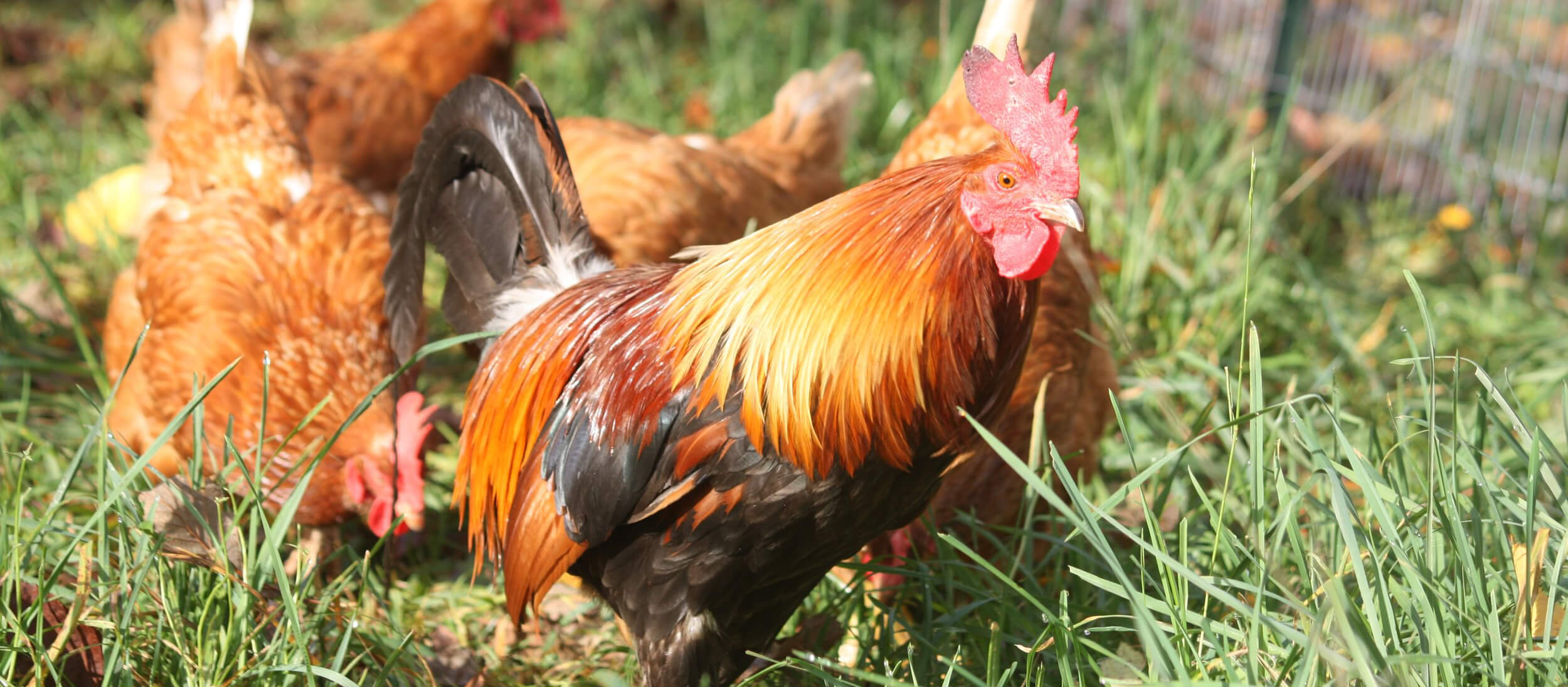
- Cooling Down: Chickens and other bird species have a higher resting body temperature than humans do and will thus feel the rise in temperatures more quickly. Be sure to have plenty of fresh water, shady spots, and ventilation in your coops. Frozen water bottles and frozen treats are another great way to help your bird friends cool down in the hot temperatures. Signs they may be hot and trying to cool down include open mouth breathing and standing with wings outstretched from their bodies. Misters, sprinklers, and other water sources are also fun ways to help them beat the heat!
- Predator Protection: Spring is also a very active time for predators. Be sure that your bird housing and coops are fully predator proofed, and birds are inside during the most active predator hours (dawn to dusk). Common predators in this region include coyotes, raccoons, skunks, owls, hawks, foxes, bobcats, and bears.
- Mites and Lice: Not only are predators more active in the spring, but other bugs like mites and lice are also more active after those colder, more dormant winter months. Be sure to keep housing areas clean, provide areas for dust baths, and look out for signs of mites like raised scales on legs. Diatomaceous earth can be a good addition to nesting boxes and dusting baths to help keep mites and lice under control.
- Egg Production: Longer days and warmer temperatures typically means more energy for producing eggs, so this time of year be prepared to see an increase in egg numbers and broody behavior! Supplementing with additional protein and oyster shells may help provide calcium and proper nutrition for this time of year.
- Breeding Season: When tending to flocks with both male and female birds, be aware of increased testosterone levels and overmounting of females. It is recommended in Muscovy ducks, for example, to have a ratio of 1 drake (male duck) to 4 hens to avoid this. Be sure to watch out for injuries or cloacal prolapse in females.