Fall and Winter Tips for your Animals


-
Bundle Up and Stay Dry: Just like us, dogs can get chilly – especially seniors, short-coated dogs, or those with lean body types. A fitted jacket or sweater can make a big difference on cold morning walks. After wet or snowy outings, give your dog a good towel-off (especially their paws and belly) to help them stay warm and prevent irritation from moisture or road salt.
-
Protect Their Paws: Winter can be tough on paws! Ice, snow, and de-icers can dry or crack paw pads. Wiping paws after each walk or using a pet-safe balm helps protect them. If your dog tolerates booties, they can also be great for traction and protection. Check between their toes for ice balls or salt buildup after walks.
-
Adjust Exercise and Enrichment: It’s normal for walks to be shorter when the weather’s harsh, but mental stimulation is just as important! Rotate in some indoor enrichment – snuffle mats, puzzle toys, or quick training games – to help burn off energy and keep your dog’s mind active. On calmer days, short outdoor play sessions in the cold or snow (if your dog enjoys it) can be a fun confidence boost.
-
Watch Out for Winter Hazards: Cold weather brings its own set of dangers. Keep antifreeze and de-icers stored safely as they can be toxic even in small amounts. Be mindful with space heaters or fireplaces so curious noses don’t get too close. And always make sure your dog has a warm, dry spot to rest away from drafts or cold floors.
- Holiday Hazards & Travel Tips
-
Holiday Food Safety: Many festive foods can be unsafe for dogs. Avoid giving anything with chocolate, grapes or raisins, onions, garlic, macadamia nuts, alcohol, or artificial sweeteners (especially xylitol). Rich, oily, or heavily seasoned dishes can upset their stomach. If you’d like to include your dog in the celebration, make them a special plant-based treat of their own! Dogs often love cooked pumpkin, sweet potato, or green beans—just keep it plain and free of salt, oil, or seasoning.
-
Decor and Festivities: Holiday décor is beautiful, but it can also be tempting for curious dogs. Keep tinsel, ornaments, ribbons, and cords out of reach. Plants like poinsettias, holly, and mistletoe can be toxic if chewed. Candles and fireplaces should always be supervised around pets, and try to keep the environment calm if your dog is easily overstimulated by guests or activity.
-
Travel and Visitors: If you’re hosting guests, give your dog a quiet, cozy area to retreat to when things get busy. A comfy bed, some background music, and a stuffed Kong can go a long way in helping them decompress. If you’re traveling, double-check your dog’s ID tags and microchip info, pack their essentials (food, medication, favorite toys), and keep routines as consistent as possible. For longer trips, make sure your vet’s contact info and any emergency numbers are written down in case of unexpected delays.
-

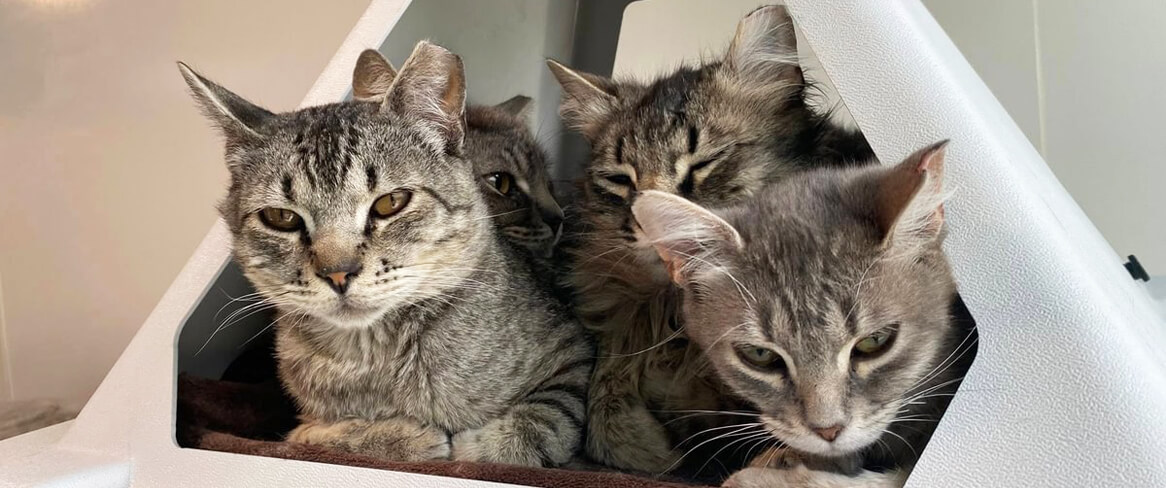
- Create Cozy Spaces: As it gets colder, cats seek out warmth wherever they can find it. Offer soft blankets, cozy beds, or even a heated pad made for pets. Try placing beds away from drafts and near sunny windows so your cat has plenty of warm options to curl up in.
-
Check on Outdoor Kitties: If your cat goes outside or you care for community cats, be sure they have a safe, insulated shelter where they can stay warm and dry. A simple covered box lined with straw (not blankets, which hold moisture) works great. Be sure they have fresh, unfrozen water available. A heated water bowl can be a big help!
-
Give Your Car a Tap: Outdoor cats sometimes crawl under car hoods or sit on tires to keep warm. Before you start your car, tap the hood or honk the horn to make sure no feline friends are hiding there.
-
Watch for Winter Aches: Cold weather can make stiff joints even stiffer, especially for older cats or those with arthritis. If your cat seems to be moving slower than usual or hesitates to jump, check in with your vet. A cozy heated bed can also help ease sore muscles.
-
Keep the Air Comfortable: Indoor heating can dry out the air, which might make your cat’s skin and coat feel itchy. Brushing regularly and using a humidifier can help keep things comfortable.

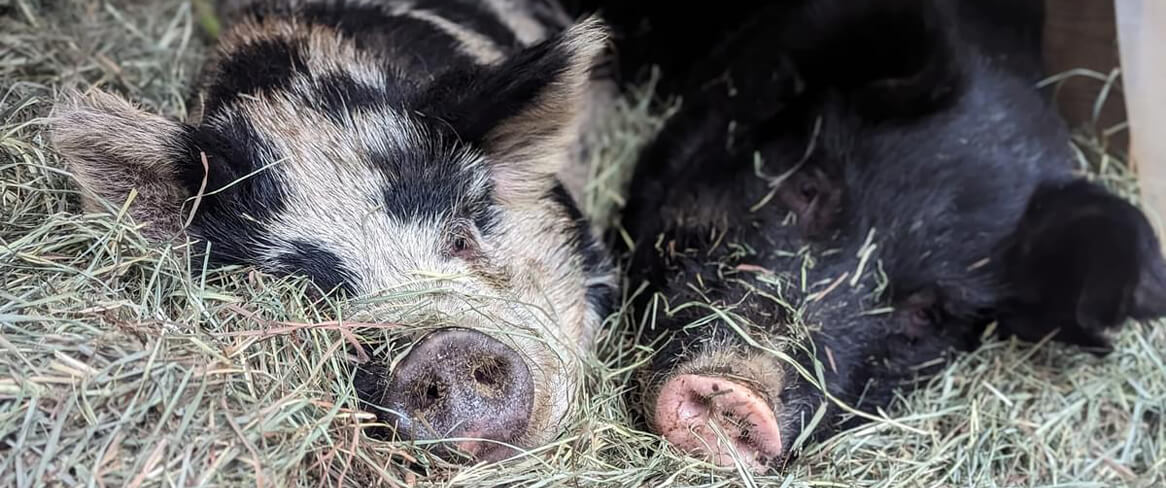
- Cold Stress, Feed Needs, and Energy Demands: Pigs are particularly sensitive to cold stress because they lack insulating fur and don’t regulate temperature as efficiently as some other species. As temperatures drop, their energy demands may increase as they burn more calories just to stay warm. Offering slightly larger portions or increasing the energy density of their diet can help meet these needs. Be sure to monitor body condition closely throughout the winter to ensure no one is losing weight or struggling to maintain warmth, and adjust feed as appropriate.
- Proper Winter Shelters: In the Pacific Northwest, rain and dampness are often bigger challenges than freezing temperatures. Pigs need shelters that stay dry, draft-free, and well-bedded. Roofs should prevent leaks, and floors should be elevated or well-drained to keep moisture out. Each pig should have enough space to lie down comfortably without crowding, and the shelter should allow them to nest and retain body heat.
- Bedding: Dry, clean bedding is essential for warmth and comfort. Straw or pig-safe hay are options because they insulate well and pigs enjoy nesting in it. Check bedding daily for dampness, and replace it frequently to prevent mold and bacteria. Deep bedding layers can also help pigs create warm nests — just make sure it stays dry to avoid respiratory irritation. If you are using straw or hay, you should have enough that pigs can fully burrow under hay in the winter.
- Winter Water: In cold weather, water can freeze quickly, limiting access and discouraging drinking (our pig friends can already be a little stubborn about drinking water sometimes!). Use heated waterers when possible, or check and refresh water multiple times a day. Make sure pigs can easily access their water sources without stepping into mud or ice, and avoid metal spigots that can freeze shut or cause injury to lips and tongues.
- Safe Footing and Winter Barn Precautions: Muddy, icy, or slippery conditions can lead to falls and joint injuries, especially for our pig friends who may be dealing with arthritis concerns. Keep heavily trafficked areas well-bedded or covered with gravel or mats to improve traction. Make sure barn walkways drain properly and remove ice or standing water as soon as possible. Inside, ensure heaters and heat lamps are secured safely away from flammable materials and checked regularly for damage or faulty wiring. Avoid using space heaters unless they are specifically designed for agricultural settings and always kept out of reach. Be cautious with any vehicles or equipment that use antifreeze — it is highly toxic to pigs and other animals, even in very small amounts, so clean up any spills immediately and store containers securely.
- Pig-Safe Holiday Treats: It’s fun to include pigs in seasonal celebrations, but treats should always be safe and offered in moderation. Skip anything too sugary, salty, or processed. Pigs are especially sensitive to salt and should not be eating salted food or treats. Instead, choose festive produce like pumpkin, apple slices, cranberries, or squash. These can be offered fresh, frozen, or baked into simple “pig cookies” made from whole grains and unsweetened fruit purées.

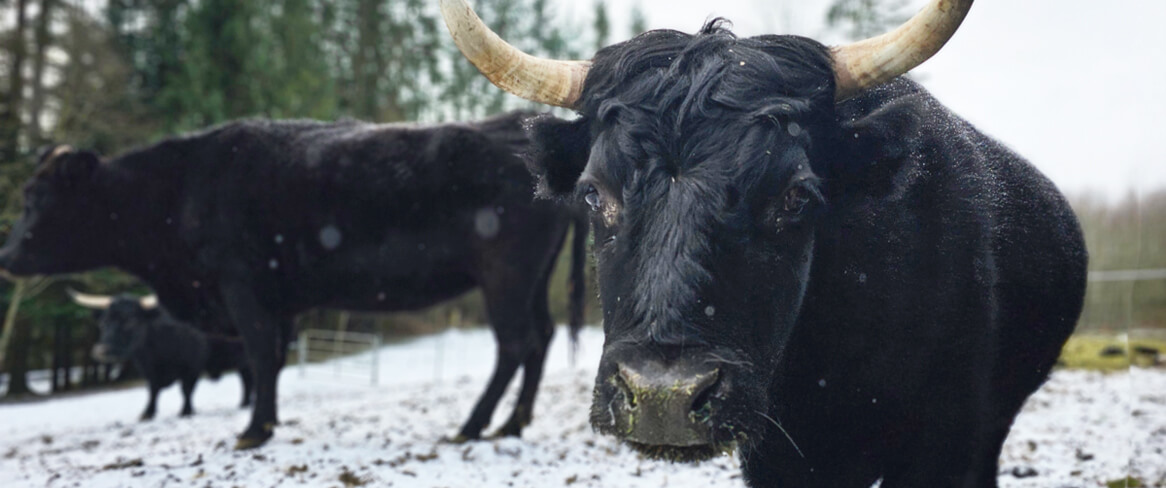
- Shelter & Warmth: Winter-Proofing Essentials
-
Cold & Wet-Proofing Shelters: All of your animals need some form of windbreak or shelter. Ensure their shelters provide sufficient protection from the wind and rain. Insulate barns, check roofs for leaks, and make sure their shelter floors are able to be kept dry.
-
Warmer Bedding: Deep, dry bedding like straw offers excellent insulation. It’s especially important for animals that prefer to lie down in the cold, such as young or senior animals. Keep it clean and replace regularly to avoid respiratory issues and mold growth.
-
Blankets & Coats: Not every animal needs a blanket, but some benefit from the added protection – especially seniors, underweight individuals, or those with insufficient fur or wool. Make sure blankets fit properly, are breathable, and are checked daily for moisture or shifting.
-
Water Heaters & Heat Lamps: Frozen water is one of winter’s biggest challenges. Invest in a safe, efficient water heater or heated buckets to ensure constant access to fresh, unfrozen water. Monitor for electrical safety and clean regularly to prevent algae and bacteria buildup. Adding supplemental heat via heat lamps is a great way to create a more comfortable environment in their shelters. Ensure proper heat lamp placement and management to reduce any fire risk.
-
- Nutrition: Feed Adjustments for Colder Weather
- Increase Hay Intake: In cold weather, digestion helps animals stay warm. Upping their hay supply isn’t just a calorie boost – it’s a source of heat generation. Have a reliable source of good-quality hay, and store extra to avoid mid-winter shortages.
-
Festive Food Options: Pumpkins can be a fun, fiber-rich seasonal treat – just make sure they’re plain, unpainted, and not moldy. Christmas trees (like fir, spruce, or pine) are sometimes safe in moderation if they’re untreated, but many contain chemicals or preservatives – so always err on the side of caution.
- Hoof & Health: On Alert for Thrush and Hoof Rot
- Hoof Care: Wet, muddy conditions in fall followed by freeze-thaw cycles can create a breeding ground for hoof problems. Stay on top of regular trims, pick hooves often, and keep shelter areas dry and clean to prevent thrush or hoof rot. Have hoof products on hand that treat thrush and hoof rot, such as “Veterycin Mobility Hoof Care” or “Hoof N’ Heel”.
- Pasture Prep: Rotate, Seed, and Maintain
-
Rotate Pastures: Autumn is the final push for pasture health before dormancy. Rotating your animals off overgrazed pastures gives grasses a chance to recover before spring. Use this time to rest high-traffic areas and reduce soil compaction and parasite load.
- Seed Grass: Fall is an ideal time for seeding pastures. If you manage your pasture well now, you’ll have a head start come spring.
- Fence Maintenance: Take advantage of mild fall days to walk your fence lines. Repair sagging wires, replace broken posts, and check for gaps. Snow and ice can exacerbate existing weak spots, so get ahead of it.
-
- Indoor Enrichment: Beat Winter Boredom
- Just because the weather’s colder and more time is spent in shelters doesn’t mean your animals need to be bored. Offer mental stimulation with hay balls or slow feeders, hanging treat holders, puzzle feeders, species-appropriate toys, radio/music, brushes or scratching posts for self-grooming, and quality time with their favorite people.

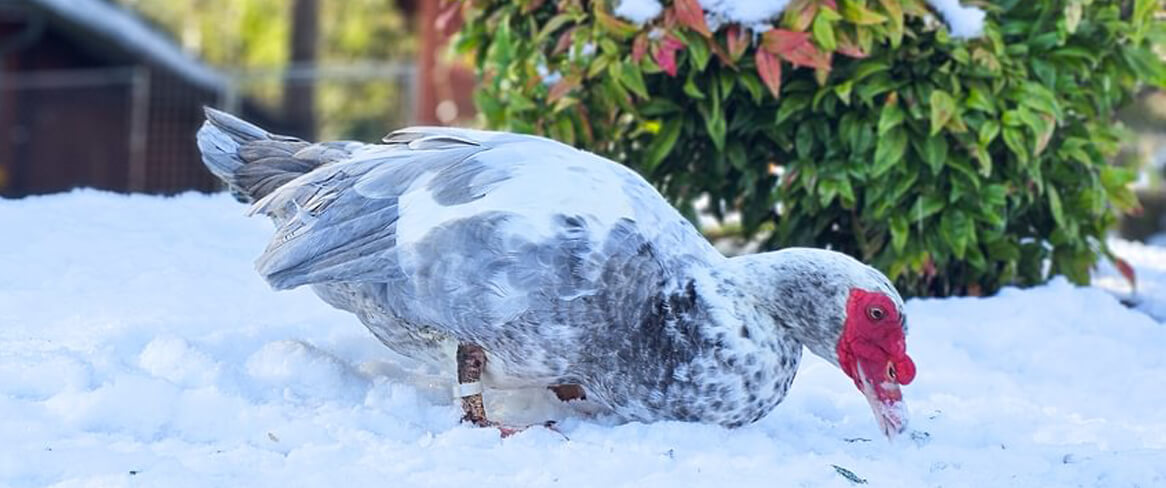
- Cold Stress, Thermoregulation, and Feed Needs: Birds manage cold well when they’re healthy and dry, but they need extra calories to generate body heat. Offer a bit more feed during cold months, especially in the late afternoon so they can go to roost with full crops and use that to generate more heat at night. Birds that are thin or molting may need additional support or increased protein. Watch for signs of cold stress such as lethargy, puffed-up feathers, or huddling excessively. As always, be sure to monitor body condition by feeling around their keel bone or check in with your vet as needed.
- Ventilation vs. Drafts: It’s crucial to balance airflow with warmth. Birds need good ventilation to remove moisture and ammonia buildup, but direct drafts — especially at roost height — can cause chilling and respiratory issues. Aim for air exchange through vents high in the coop, keeping lower areas draft-free and cozy.
- Freezing Waters: Birds need constant access to fresh, unfrozen water. Heated bases for waterers or frequent checks throughout the day prevent dehydration. Place waterers in areas protected from wind and rain, and avoid spills that can freeze and create slippery hazards.
- Extra Predator Protection and Roosting Areas: Cold weather and snow can drive predators to take extra risks for food. Reinforce fencing and check for gaps or weak spots before winter sets in. Provide secure, elevated roosts inside shelters where birds can perch off the cold ground. Roosting together helps them conserve body heat overnight, just watch out for overcrowding or signs of stress.
- Moisture, Wet Conditions, and Respiratory Health: Damp litter and high humidity can lead to frostbite and respiratory illness. Keep coops clean and dry by using absorbent bedding and ensuring adequate drainage. Regularly remove wet spots, and provide covered outdoor areas or dry dust bathing spots so birds can stay active even when it rains. Continuing to offer access to dust baths during wet weather helps birds maintain feather health and control parasites — it’s not just a comfort behavior but an important part of their overall hygiene and wellbeing.
- Holiday Enrichment Ideas and Treats: Seasonal enrichment helps keep birds stimulated during shorter days. Hang leafy greens or cabbage heads, scatter scratch grains in straw for foraging fun, or make “holiday wreaths” of safe veggies and fruit. Offer treats sparingly and avoid anything salty, fatty, or sweet — fresh produce and whole grains are best, like berries, corn, millet.